
At its interregional meeting held in Rio in 1990, DAWN decided to expand the scopeof its analysis and advocacy to in-depth work on population and environment, and to engage in the preparations for the upcoming United Nation conferences of the 1990s – the Conference on Environment and Development in 1992 (Rio de Janeiro), the International Conference on Population and Development in 1994 (Cairo), and the **Fourth World Conference on Women** in 1995 (Beijing). DAWN drew also from the critical work of feminist allies at the World Conference on Human Rights in 1993 (Vienna), and engaged in the first World Summit on Social Development in 1995 (Copenhagen).
Through a powerful combination of South feminist analysis,advocacy, alliance building, and networking, DAWN helped to shape and transform how we think about population, environment and development. DAWN’s Sexual and Reproductive Health and Rights (SRHR) work was a key contribution to the ICPD paradigm change, and from the beginning saw SRHR as central to global and local development justice.
In doing so, DAWN centred the voices and power of global South actors, shaped South–North alliances for SRHR, and helped build a new generation of activists, advocates and analysts.
Working with feminist allies in WEDO and other organisations, DAWN mounted aprogressive environmental and feminist challenge to powerful neo-Malthusian environmental organisations that blamed population growth for ecological andpoverty challenges. A series of panel debates co-organised at UNCED’s PlanetaFemea laid the groundwork for a major book, Population and Environment: Rethinking the Debate, co-edited by DAWN’s founder member, Lourdes Arizpe, and co-sponsored by DAWN, Social Science Research Council, and International Social Science Council.
DAWN’s substantive global analysis, titled Reproductive Rights and Population: Feminist Voices from the South , was produced for the ICPD held in 1994. The analysis illustrated DAWN’s ability to provide historical analysis, conceptual clarity and strategic direction to organisations working to secure gains for women in the areas of SRHR and development. It broke new ground by placing the issues of population and reproductive health and rights within a broader development framework informed by a feminist political economy that is holistic, sustainable and empowering for women. This book was complemented by the publication of the so-called “yellow book” (Population Policies Reconsidered: Health, Empowerment, and Rights) which was co-produced by DAWN, IWHC, Harvard Center for Population and Development Studies, with papers by both feminist activists and population scholars.
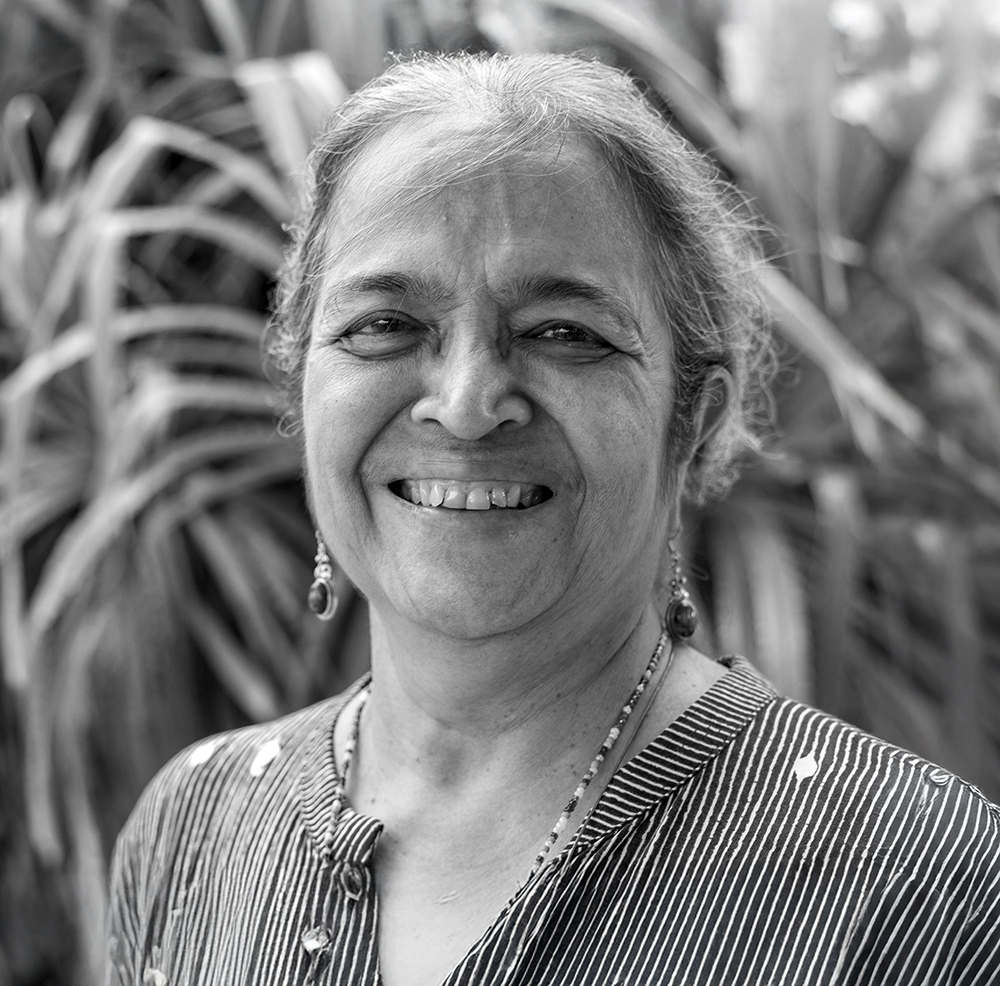
“You can’t have SRHR without the right to development and you cannot have development without bodily autonomy and integrity and sexual and reproductive health and rights.”
Gita Sen
In the 30 plus years since ICPD, DAWN’s SRHR work includes in-depth global, regional and country level analysis, focusing particularly on SRHR, universal health coverage, and development links, the MDGs and SDGs, and the challenges of equality, accountability and quality.
With the interface of neocons and neolibs inglobal politics, that results in intolerance of and limitations on a number of human rights, DAWN’s work has also focused on the need to surface and link sexual rightsissues more prominently in its South-based social equality-political democracy-economic justice analytical frame. Much of this work is available here in the form of pdfs.
DAWN teams have also been engaged in advancing and defending SRHR through advocacy and networking at ICPD 5-year reviews and annual meetings of the UN Commission on Population and Development, and UN Commission on the Status of Women as well as regional reviews and convenings. DAWN has been part of the High Level Expert Group (HLEG) for ICPD from 2012, and of the UN Independent Accountability Panel for Women’s, Adolescents’ and Children’s Health.
Related itens / view all
Joint statement on the 58th Session of the Commission on Population and Development
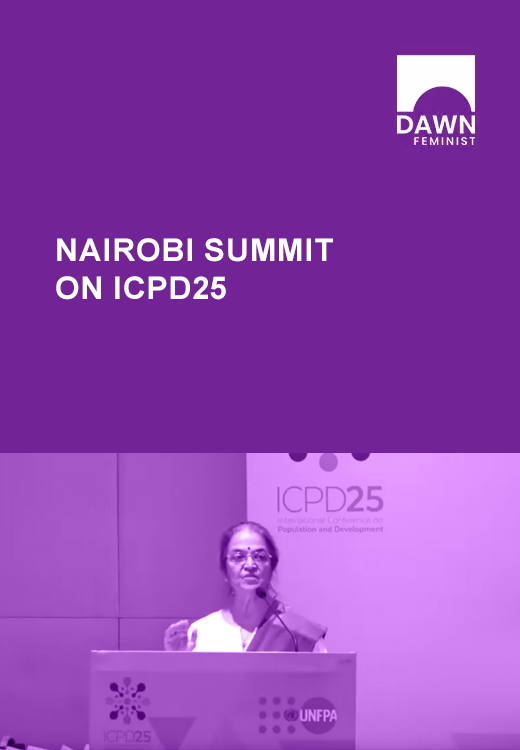
Nairobi Summit on ICPD25

Advancing the Montevideo Consensus Agenda: Side Event at CPD49
REGIONAL ADVOCACY TOOL
Sexual and Reproductive Health and Rights Advocacy in Egypt, Lebanon, Morocco, Oman, Syria, Tunisia and Yemen

DAWN at CPD 48: Gita Sen at expert panel at CPD 48
From paper to practice: DAWN’s statement in a meeting on implementation of the Montevideo Consensus on Population and Development
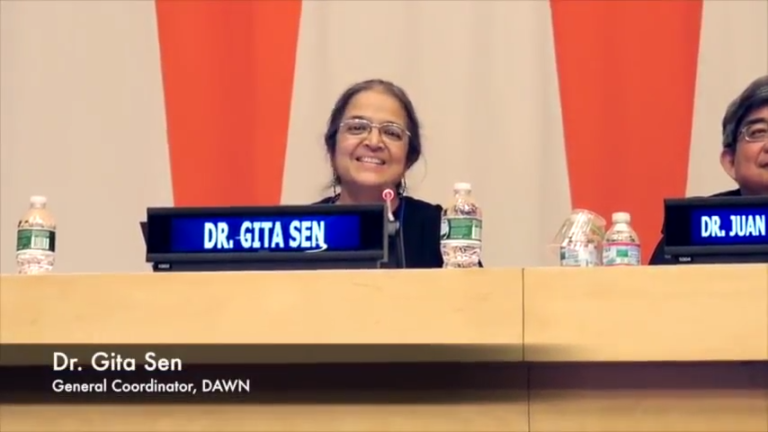
DAWN at CPD 48- Panel Discussion and Launch of a special issue of Global Public Health: what’s been achieved? what lies ahead?

Analysis by DAWN, RESURJ, YCSRR and IWHC on the Montevideo Consensus
Pacific Feminist SRHR Agenda and Advocacy for Sexual Minorities
Population Policies Reconsidered: Health, Empowerment, and Rights
Interlinking Policy, Politics and Women’s Reproductive Rights