
Since 1984, Development Alternatives with Women for a New Era (DAWN) has been a key force in feminist scholarship, activism, and advocacy from the global South. Marking its 40th anniversary, this timeline traces four decades of feminist movements through DAWN’s lens: in blue, key moments shaping women’s rights and feminist agenda in the global South; in orange, DAWN’s institutional evolution and contributions to wider feminist struggles. Together, these threads show how DAWN has shaped—and been shaped by—collective efforts toward social change and justice for women in the global South.
Click to read the open letter “DAWN Interactive Timeline: 40 Years Imagining Feminist Alternatives”, by Leda Antunes, DAWN Communications Manager
1960-1970
In the 1960s and 1970s, anti-colonial movements surge across Asia, Africa, Latin America, and the Pacific, challenging foreign occupation, authoritarianism, extractivism, and militarism. At the same time, feminist movements expand worldwide, exposing the interconnections between patriarchy, capitalism, and imperialism.
This era is marked by transformative global developments: the founding of the Non-Aligned Movement in 1961, demands for a New International Economic Order in 1973, and the 1974 UN World Population Conference in Bucharest with some countries calling for development as the best contraceptive. In the global North, second-wave feminism pushes debates on family, labour, and representation.
Together, these struggles reshape the landscape of political struggle and solidarity, offering inspiration and strategic frameworks for feminist organizing across the global South. In the decades that followed, these movements will continue to confront entrenched inequality while advancing sovereignty and economic justice in the face of rapid economic and technological change.

1975-1985
The UN Decade for Women is launched at the first UN World Conference on Women in Mexico City (1975), marking a turning point in feminist mobilisation. Across the global South, women’s movements intersected with anti-authoritarian, peace, and anti-nuclear struggles, challenging colonial legacies, patriarchal norms, and the economic violence of neoliberal restructuring. This decade lays the foundation for transnational feminist solidarity and systematic critiques of global inequality.
A wide range of events shape feminist agendas during this period. The 1979 Convention on the Elimination of All Forms of Discrimination Against Women (CEDAW) articulates the indivisibility of civil, political, social, and economic rights. In 1980 the Conference on Women held in Copenhagen highlights persistent divides between global North and South feminists. These dynamics reveal tensions and new possibilities within global feminist organising.
The rise of neoliberalism under Margaret Thatcher in the UK and Ronald Reagan in the US—marked by austerity, privatisation, and welfare retrenchment—further intensifies poverty and gendered precarity, particularly in the global South. In Latin America, the fall of military dictatorships creates openings for feminist-led justice struggles. Anti-nuclear activism—from the Greenham Common Women’s Peace Camp in the UK, to the Pacific region’s opposition to French and US testing—reframes peace as a feminist, decolonial demand. Even as Reagan’s 1984 Mexico City Policy (Global Gag Rule) restricts reproductive health funding, grassroots and transnational feminist alliances deepen, redefining development, rights, and resistance for the decades to follow.


1984
Bangalore, India

In August 1984, feminists from across the global South gather in Bangalore, India, to prepare for the UN Third World Conference on Women in Nairobi (1985). Confronting a global context of mounting debt, food, and fuel crises, structural adjustment programs, rising fundamentalisms, nuclear testing, and militarisation, they recognise shared experiences of oppression and economic injustice. This gathering marks the birth of DAWN (Development Alternatives with Women for a New Era), a collective that unites Southern feminist critiques of capitalism, imperialism, and development orthodoxy while opposing unequal gender systems and gender injustice.
Many of DAWN’s founding members (the first generation of DAWNees) had long been engaged in feminist analysis and organising—critiquing dominant development paradigms, resisting nuclear testing and authoritarian rule, and advancing women’s rights, including reproductive health and rights.
Building on this encounter, DAWN produces its first analysis, Development, Crises and Alternative Visions: Third World Women’s Perspectives, situating feminist struggles within the broader histories of colonialism and the global South’s place in the international development agenda.

1984
Bergen, Norway
Following the Bangalore meeting, DAWN undertakes extensive outreach research with women and development networks, gathering grounded perspectives from the global South, which are then debated and incorporated into a draft that would become DAWN’s first book. A few months later, with support from the Norwegian government and the Ford Foundation, a group comes together to look at the final draft, which was written in just three weeks. Gita Sen, who will go on to become one of DAWN’s co-founders, recalls the energy and urgency of that moment, which propelled the group to the 1985 Nairobi UN Conference and laid the foundation for DAWN’s intellectual legacy.

July 1985
Nairobi, Kenya
The 1985 Nairobi Conference, marking the end of the UN Decade for Women, becomes a platform where feminists denounce the gendered impacts of structural adjustment, further amplifying calls for justice. Their interventions directly challenge neoliberal orthodoxy and advance calls for more equitable development frameworks.
This moment is identified with intensifying resistance to neoliberal restructuring imposed by the International Monetary Fund and World Bank. The Structural Adjustment Programs (SAPs), enforced as loan conditions by those institutions, mandate privatisation, deregulation, and drastic cuts to health, education, and food subsidies—policies that disproportionately harm women, children, and the poor. These austerity-driven reforms exacerbate structural inequalities and undermine national sovereignty, sparking mass mobilisations in Africa, Latin America, and Asia. Feminists critique the SAPs, exposing the human toll of neoliberal austerity and economic restructuring.

July 1985
Nairobi, Kenya
Published as a book written by Gita Sen and Caren Grown for DAWN, Development, Crises and Alternative Visions: Third World Women’s Perspectives makes a significant impact at the UN Conference on Women in Nairobi in 1985 and is considered a game-changer in feminist literature, for bringing the voices of women from the economic South to the forefront of the global women’s movement.Its key argument is that there can be no gender equality without an enabling environment of development justice.
DAWN’s panels and workshops at the forum focus on the effects of growth-oriented development, the economic, political and cultural crises, and alternative visions and methods for the women’s movement. By the end of the conference, over 2,000 women had participated in panels and workshops, endorsing DAWN’s vision and goals.

1986
Rio de Janeiro, Brazil

Forging its own structure to keep organising and mobilising within the global South, DAWN initially forms a seven-member steering committee and briefly houses its first secretariat at the Institute of Social Studies Trust (ISST) in New Delhi, India. Over the next decades, DAWN’s leadership will rotate across the global South, reinforcing its commitment to decentralised feminist organising, rooted in regional contexts.
DAWN Secretariat moves to the Instituto Universitário de Pesquisas do Rio de Janeiro (IUPERJ), Brazil, in 1986, with Neuma Aguiar on lead. In 1990, it moves to the Women and Development Unit (WAND) at the University of the West Indies in Barbados, with Peggy Antrobus as general coordinator.
In 1998, the DAWN Secretariat crosses the globe, moving to Fiji, at the University of the South Pacific, with Claire Slatter in the lead. In 2004, it moves to Cross River State, Nigeria and is based at the Girls’ Power Initiative (GPI), led by Bene Madunagu; then, in 2008, the Secretariat finds a new home at Miriam College, Quezon City, Philippines, with Gigi Francisco as coordinator until 2014. Then DAWN comes back to Fiji with an in-house secretariat team based in DAWN’s Suva office, a communications’ team working remotely from Brazil, with Gita Sen, María Graciela Cuervo, Kamala Chandrakirana and Kumundini Samuel as co-coordinators over the last decade.

1992-1996
A cycle of UN world conferences—on environment (Rio, 1992), human rights (Vienna, 1993), population (Cairo, 1994), social development (Copenhagen, 1995), women (Beijing, 1995), and habitat (Istanbul, 1996)—redefine global debates on gender, human rights, and development. They consolidate commitments to women’s rights, sustainable development, and social justice, while elevating voices from the global South and civil society.
The 1992 Earth Summit’s “Women’s Tent” creates an autonomous space for feminist strategizing, forging cross-regional alliances that shaped the decade. Vienna (1993) delivers historic gains: the UN Declaration on the Elimination of Violence Against Women and, in 1994, the appointment of the first UN Special Rapporteur on Violence Against Women—crucial milestones in institutionalizing women’s rights within international human rights law.

1992
Well before 1992 and the Earth Summit (UN Conference on Environment and Development) in Rio de Janeiro, women’s groups across all regions of the world were active at the forefront of efforts linking social, environmental, and economic dimensions of sustainable development, with particular emphasis on gender equality and human rights. At the Earth Summit, DAWN plays a key role in the “Women’s Tent”, bringing together feminists and women’s organizations in a shared space to foreground their perspectives on the cost of ignoring environment issues affecting women’s lives. DAWN also played a key role in pushing North-led environmental groups away from neo-Malthusian ideas on population. DAWN’s panel on Debt and Trade exposes the connections between debt, trade, environmental degradation, and gendered inequalities, while its booklet Environment and Development: Grass Roots Women’s Perspective (Rosina Wiltshire) critiques overconsumption and technocratic fixes, and advanced grounded feminist visions of ecological and economic justice.
DAWN’s interventions in Rio demonstrate a visionary grasp of environmental justice, calling for feminist, locally grounded alternatives to unsustainable growth models—what will later be articulated in DAWN’s PEAS (Political Ecology and Sustainability) framework. These insights—linking gender, poverty, environment, and economic structures—anticipate today’s central debates on climate justice and sustainability.
This moment also sees the creation of the Women’s Major Group (WMG), which grew to encompass 390 NGOs. DAWN, together with Women International for a Common Future, WEDO, and the Global Forest Coalition, convened one of the WMG’s formative meetings. For several years thereafter, DAWN served as an organizing partner of the WMG, which became a crucial mechanism for institutionalizing feminist perspectives within global sustainable development debates.

1994
Cairo, Egypt
The 1994 International Conference on Population and Development (ICPD) in Cairo is a landmark moment for feminist and reproductive rights advocates. One hundred seventy-nine governments adopt the ICPD Programme of Action, affirming that population policies require respect for human rights, reproductive rights, and gender equality.
Feminists celebrate the shift away from coercive population-control policies. The ICPD advanced a people-centred paradigm, yet feminist activists warned that without confronting structural inequalities and economic injustice, its promises would remain limited. The engagement of Southern activists in particular leads to strong language on development justice. The ICPD Programme of Action brings together sexual and reproductive health and rights with development justice in a heretofore unprecedented way.

1995
Beijing, China
In September 1995, over 17,000 government delegates and 30,000 civil society activists convene in Beijing for the Fourth World Conference on Women. The conference culminates in the adoption of the Beijing Declaration and Platform for Action (BPFA) by 189 countries. The BPFA outlines 12 Critical Areas of Concern, ranging from poverty and education to violence against women and the environment.
BPFA remains one of the most comprehensive global agendas for women’s rights to date.
The NGO Forum, which runs parallel to the official negotiations, is a site of intense feminist organising, debate, and solidarity-building, reflecting growing critiques—particularly from global South feminists—of economic globalisation, institutional gender mainstreaming, and the widening gap between elite commitments and grassroots realities.

1995
Ahead of the 1995 Fourth World Conference on Women in Beijing, DAWN launches Markers on the Way: The DAWN Debates on Alternative Development, coordinated by Gita Sen. Rooted in years of regional consultations across the global South, the publication consolidates feminist critiques of development, globalisation, and sustainability.
At Beijing, DAWN exposes the contradictions between economic growth, human development, and environmental sustainability—issues that governments and institutions largely evaded. DAWN pushes civil society to demand accountability from states and global institutions, insisting that real change requires transforming power at every level.

1999-2000
In the late 1990s and early 2000s, the UN Security Council adopts key resolutions that recognise gendered violence and women’s roles in forging peace and security. While celebrated as breakthroughs, these policies also expose the limitations of institutional feminism, especially from the vantage point of global South feminists advocating for structural justice.
UN Resolution 1265 (1999) marks the Council’s first explicit concern with civilian protection in armed conflict, acknowledging the gendered nature of war. Yet it fails to address the enduring colonial, racial, and economic structures that expose global South women to disproportionate harm.
Following decades of grassroots mobilisation, including by feminists in the Global South partnering with international networks, Resolution 1325 (2000) is adopted, recognising women’s critical roles in peacebuilding and conflict resolution.
Simultaneously, the Rome Statute of the International Criminal Court (2000) codifies sexual and gender-based violence—such as rape, sexual slavery, and forced pregnancy—as crimes against humanity and war crimes. This marks an historic advance in the recognition of wartime sexual violence, although enforcement mechanisms remain weak and unevenly applied.

2000
Building on its Political Restructuring and Social Transformation (PRST) project launched in 1998, DAWN prioritises a Southern feminist analysis of shifting state power, social movements, and multilateralisms under economic globalisation. This work culminates in Marketisation of Governance: Critical Feminist Perspectives from the South (Viviene Taylor, 2000).
The book exposes how trade liberalisation, privatisation, and market-driven governance erodes state responsibility for social justice. Together with a companion video, it challenges multilateral institutions for advancing technocratic agendas that instrumentalise women’s rights while serving global capital over national and community needs.

2000
Adopted at the UN Millennium Summit, the Millennium Development Goals (MDGs) outline eight development targets for 2015, including Goal 3 on Gender Equality and Goal 5 on Maternal Health both directly addressing women’s rights. While widely promoted, the MDGs are criticised for their technocratic, depoliticised framing of gender justice, their narrow scope and lack of structural analysis.
Peggy Antrobus, a founding member of DAWN, described the MDGs as the “Most Distracting Gimmicks,” argues they depoliticise development and fail to address the root causes of gender inequality such as patriarchy, neoliberalism, and militarism. By prioritising quantifiable targets over transformative change, the MDGs sideline women’s autonomy, reproductive rights, and broader struggles for social and economic justice.

2001
Porto Alegre, Brazil
The World Social Forum (WSF), launches in Porto Alegre, Brazil, in 2001 as a counter-space to the Davos World Economic Forum, quickly grows into a global arena for resistance—replicated in local, regional, and thematic forums worldwide. Defined by horizontal, self-managed organising, it becomes a crucible for movements challenging neoliberalism and imperialism.
From the outset, DAWN plays a critical role: confronting neoliberal orthodoxies, exposing the persistence of patriarchal power, even within progressive movements, and carving out autonomous spaces for feminist debate. By forging cross-movement alliances, DAWN ensures that Southern feminist critiques of globalisation, justice, and democracy shape the heart of the WSF agenda.


2003
Across Africa, Asia, the Pacific, and Latin America, women mobilise for reproductive rights, bodily autonomy, political participation, and structural transformation—often in defiance of authoritarian regimes, neoliberal austerity, and resurgent fundamentalisms.
In Africa, the 2003 Maputo Protocol marks an historic advance, tackling gender-based violence, harmful practices such as female genital mutilation, and women’s economic and political rights. Its adoption is driven by relentless feminist advocacy, though struggles for ratification and implementation continue.
In Latin America, movements in Argentina, Brazil, and Mexico challenge conservative religious strongholds, laying the groundwork for future abortion rights victories. These mobilisations deepen intersectional and decolonial feminist critiques, demonstrating the power of grassroots organising to push legal and political frontiers.


2003
Bangalore, India
In 2003, DAWN launches its first DAWN Training Institute (DTI) in Bangalore, India, bringing together 28 young feminist activists for three weeks of intensive collective learning. The curriculum includes debates on themes of globalisation, political economy, ecological justice, sustainability, sexual and reproductive rights, and feminist strategies for social transformation—anchored in lived experience and intersectional analysis.
Over the next two decades, five more DTIs follow: Montevideo, Uruguay (2005) with 26 participants from 16 countries; Cape Town, South Africa (2007) with 28 participants; Siem Reap, Cambodia (2011) with 27 participants; Negombo, Sri Lanka (2016) with 27 participants from 23 countries; and Bali, Indonesia (2023) with 16 participants. The Bali DTI—originally planned for 2020, is delayed by the COVID-19 pandemic—receives 347 applications, reflecting the growing demand for feminist capacity-building across the global South.
The DTIs become incubators of transnational feminist leadership, weaving a vibrant network of activists who go on to shape regional and international activism.


2006
In 2006, a group of legal experts meeting in Yogyakarta, Indonesia, draft the Yogyakarta Principles, setting out international human rights standards for the protection of LGBTQ+ people. Though never formally adopted by the UN, the Principles quickly become a powerful advocacy tool, especially in the Global South where colonial-era laws, religious conservatism, and authoritarian repression continue to criminalise gender and sexual diversity.
Despite their progressive language, the impact of the Yokyakarta Principles is uneven. Many countries in Asia, Africa, and the Middle East continue to enforce punitive laws against LGBTQ+ individuals, often underpinned by colonial-era legal codes and rising religious fundamentalism. Global South feminists critique the limits of top-down rights frameworks, stressing the need for grounded, intersectional approaches that connect struggles over sexuality and gender nonconformity to broader fights against class exploitation, racial injustice, and patriarchal violence.

2006
In 2006, DAWN launches Interlinking Policy, Politics and Women’s Reproductive Rights, a comprehensive global policy research initiative on health sector reform, maternal mortality, and abortion, coordinated by Sonia Corrêa and conducted across twelve countries of the global South.
Building on DAWN’s longstanding engagement with the 1994 ICPD Cairo agenda, the report offers critical insights into the political and structural barriers that obstruct reproductive justice. By combining global policy analysis with national-level case studies, it highlights how intersecting forces—ranging from neoliberal health reforms to religious conservatism—continue to constrain women’s autonomy, while also identifying enabling conditions that have advanced implementation in specific contexts.

2009
Beginning in 2009, DAWN convenes feminist activists from conflict-affected contexts—including Indonesia, Sri Lanka, Nepal, and India—to produce self-reflective case studies on women’s activism in times of war, transition, and economic collapse. These narratives reveal how violence and insecurity are mediated through shifting cultural, religious, economic, and gendered power structures.
DAWN works collaboratively in this process, with International Women’s Rights Action Watch-Asia Pacific (IWRAW), Women and Media Collective (WMC), Sri Lanka the Global Network of Women Peace-builders (GNWP), Women’s International League for Peace and Freedom (WILPF), and WILD for Human Rights with the University of California at Berkeley Law School.
This collaborative effort makes it possible for DAWN to make substantive contributions to the elaboration of CEDAW (Convention of the Elimination of All Forms of Discrimination Against Women) through General Recommendation 30 on Protection of Women’s Human Rights in Conflict and Post-Conflict Contexts (2013). DAWN intervenes to define the obligations of States for conduct and policies affecting rights extra-territorially including the impact caused by actions and inaction of state and non-state actors, including IFIs and UN agencies. CEDAW GR 30 was adopted in 2013.

2010
DAWN describes the first decade of the 21st century as the painful birthing of a “fierce new world” in light of the paradigmatic shifts induced by a run-away neoliberal globalization; a militarized and financialized political economy; a crisis in climate and other natural systems; a deepening food crisis; an energy crisis from fossil-fuel dependence; the decline of the nation-state and the reconfiguration of the geopolitical context.
These crises result in the emergence of a multilateral terrain, replete with complicated contradictions, serious fractures, severe backlash, broken promises, and uncertain outcomes for the world’s women, especially women from the economic South.
The early 2010s witness a rising global backlash against gender justice. From restrictive abortion laws and anti-LGBTQ+ legislation to the silencing of feminist civil society, conservative actors—often coordinated across borders—seek to roll back previous gains. Yet these attacks also ignite new waves of resistance.

2010
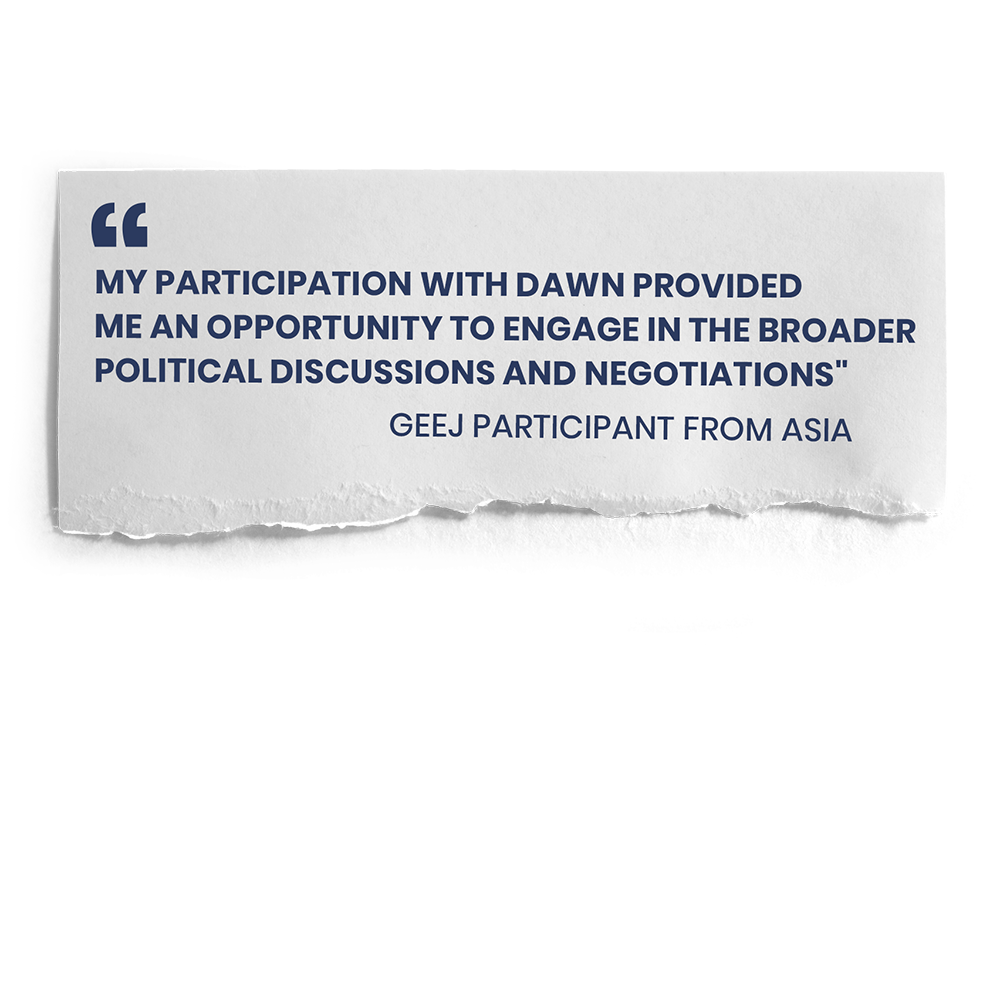
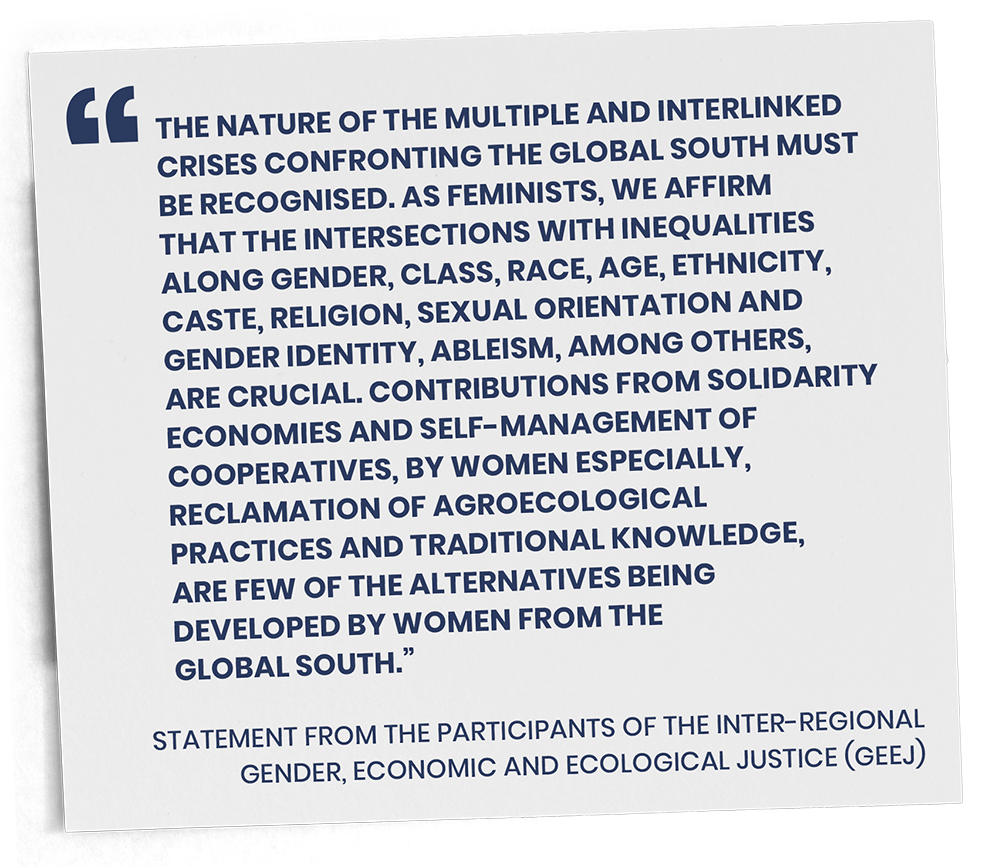
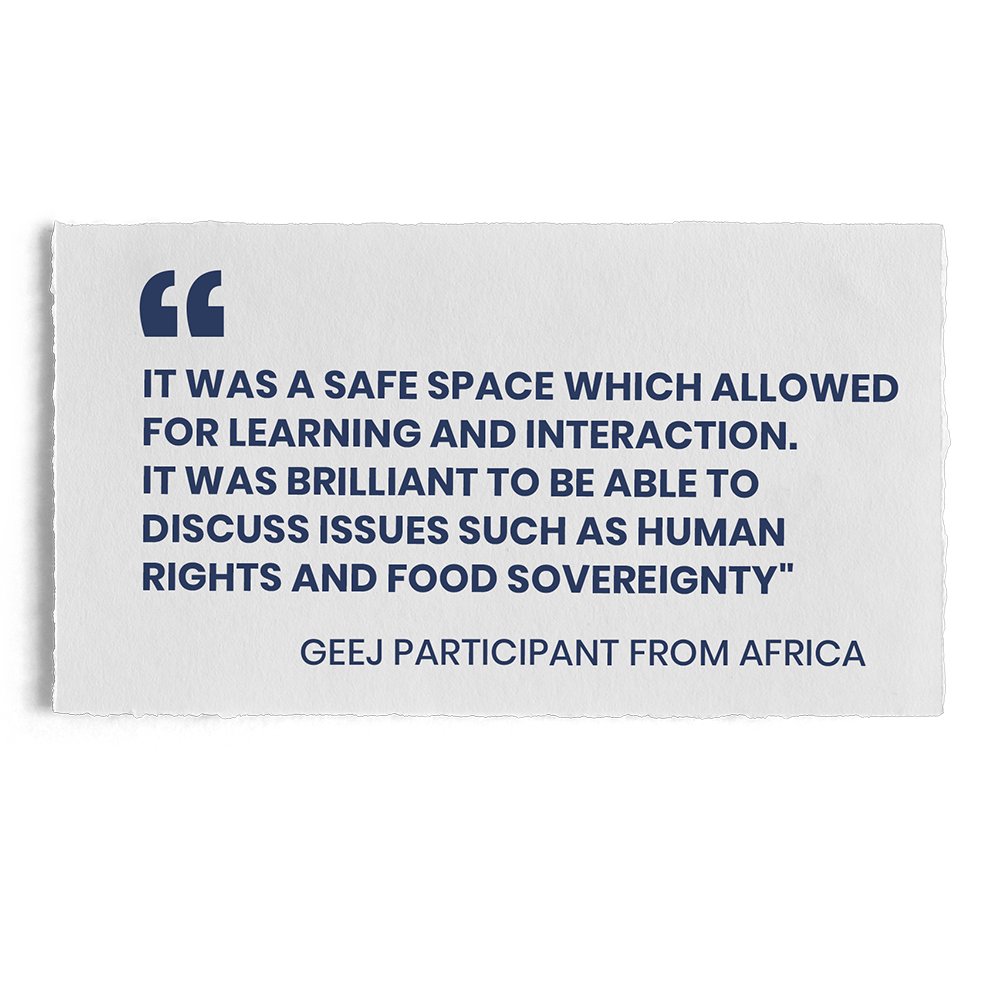
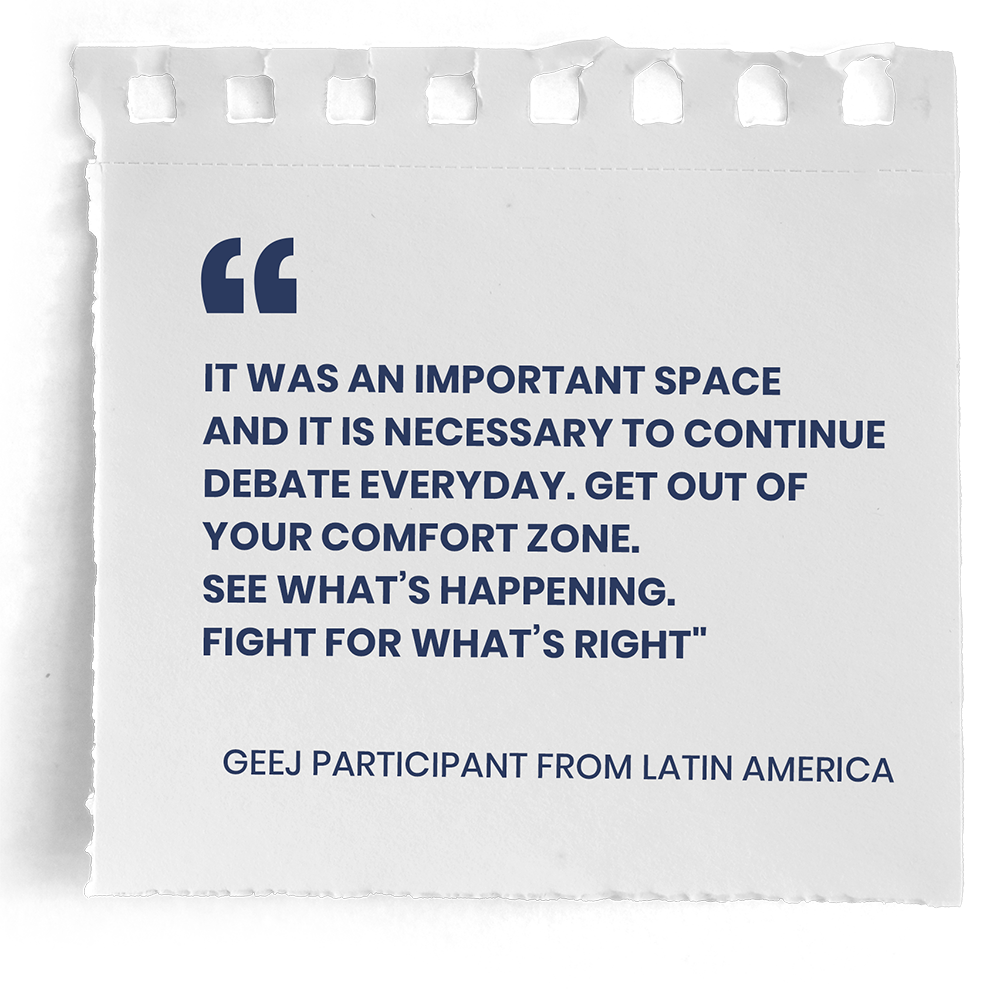
In response to these global crises and acknowledging the urgent need for more effective and interlinked regional feminist responses from the economic South, DAWN works on resistance iniatives on its own terms. A series of regional consultations and training institutes are held between 2010 and 2014 on “Strengthening Policy Analysis and Advocacy on Gender, Economic and Ecological Justice” – the GEEJ series, in short.
The GEEJ initiative provides venues and creative spaces for sharing information on a range of global and regional responses to the world’s multiple crises; mapping current measures, mechanisms and programs at national and regional levels; discussing possibilities, constraints and contradictions; and building capacity in policy analysis and advocacy on key gender, economic and climate justice issues, and their interlinkages.
The GEEJ series begins in the Pacific in September 2010, and is followed by Africa in November 2010, Latin America and the Caribbean in March 2011, the Mekong Region in April 2012, the Pacific again in October 2012 and Latin America in August 2013.
In 2014, DAWN brings together Young Southern Women Activists from different regions for an Inter-regional GEEJ consultation in Manila, Philippines.


2012
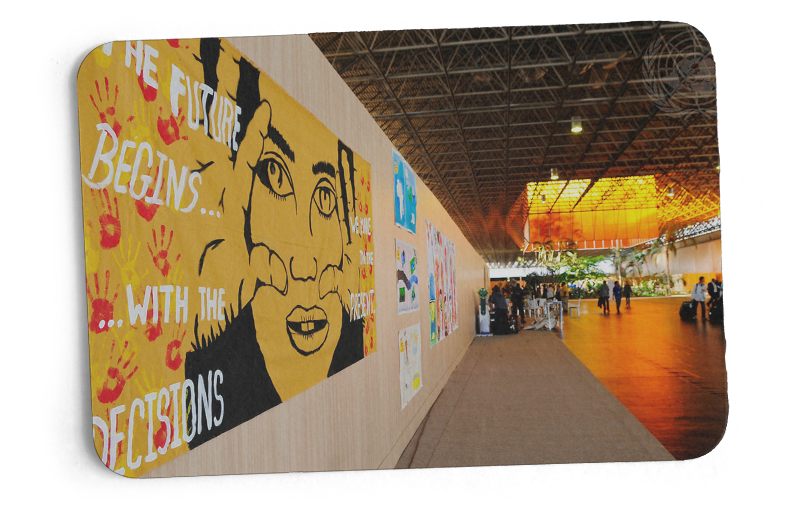
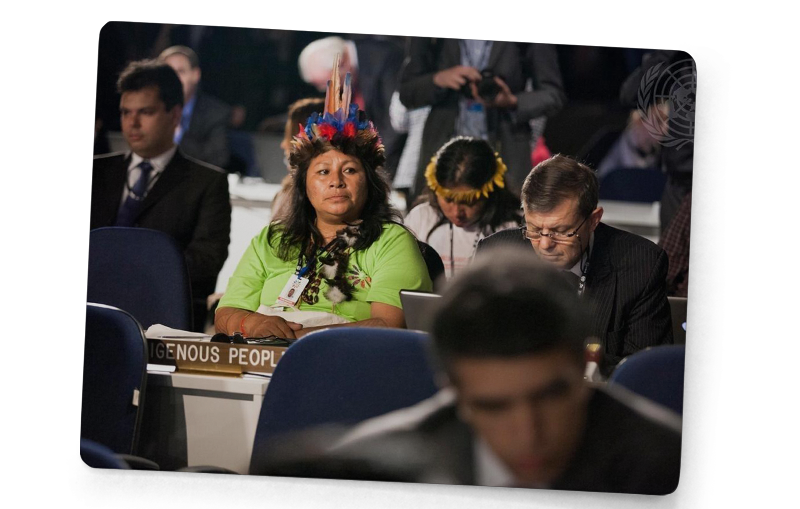
At the 2012 Rio+20 Conference, two decades after the Earth Summit, the global community reaffirms the importance of engaging all sectors of civil society in sustainable development. The outcome document, “The Future We Want,” emphasizes the role of Major Groups and other stakeholders in UN processes related to sustainable development.
However, the conference faces significant challenges. Civil society representatives express frustration over limited participation and influence, with some criticizing the final document as weak and lacking vision. Notably, the document fails to address critical concepts such as planetary boundaries and ecological tipping points, which are essential for defining the ecological pressures on the planet. Additionally, the emphasis on partnerships with the private sector raises concerns about the potential for greenwashing and the marginalization of human rights and environmental justice. These issues underscore the need for more inclusive and accountable processes in shaping global sustainable development agendas.

2012
Rio de Janeiro, Brazil
As at the Earth Summit, DAWN plays a central and highly visible role at the Rio+20 Conference, producing a rigorous set of feminist recommendations that shaped global discourse on the Sustainable Development Goals (SDGs) and the Post-2015 Development Agenda.
Working in close collaboration with the Women’s Major Group, DAWN contributes to the development of a comprehensive position paper titled “Gender Equality, Women’s Rights and Women’s Priorities for the proposed Sustainable Development Goals (SDGs) and the Post-2015 Development Agenda”. This document articulates clear feminist priorities and is widely disseminated as part of sustained efforts to influence the global agenda on sustainable development from a gender-just and rights-based perspective.
From late 2011 to mid-2012, DAWN, in partnership with IWHC, RESURJ, YCSRR, and allies, actively participates in Rio+20 negotiations to push for the inclusion of women’s and young people’s sexual and reproductive health and rights within sustainable development. Despite setbacks in the final outcome document, the coalition helps secure references to ICPD and Beijing commitments and maintained a human rights framing in the Health and Gender sections. The process also strengthens cross-movement alliances, particularly with youth and environmental groups, signalling the growing importance of unified advocacy for gender justice in global forums.


2013
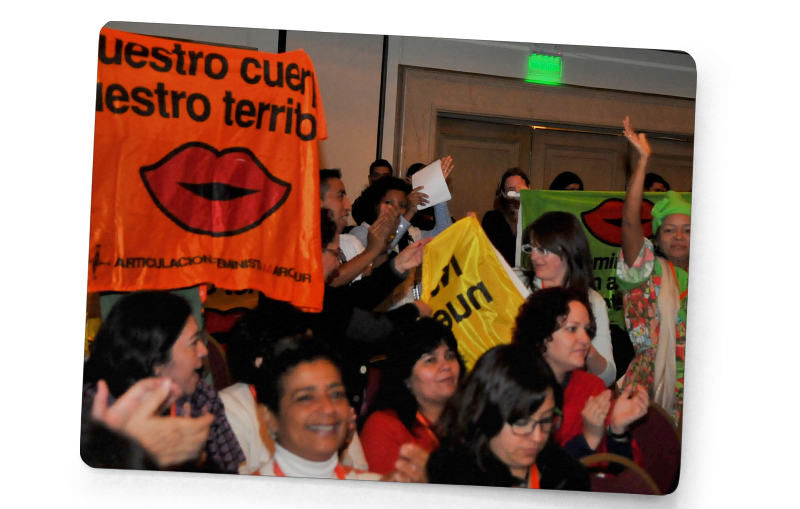
The Montevideo Consensus on Population and Development represents a landmark regional agreement in Latin America and the Caribbean, firmly grounding population and development policies in human rights and sexual and reproductive health and rights (SRHR). Building on the ICPD Programme of Action, the Consensus provides a comprehensive framework for advancing SRHR beyond 2014, prioritising the rights, needs, and agency of all populations—particularly the most marginalised. It outlines 11 key measures, ten dedicated to guaranteeing the full exercise of sexual and reproductive rights, and one specifically focused on ensuring universal access to sexual and reproductive health services. The Consensus marks a critical step in translating global commitments into regional policy action, strengthening accountability and the protection of SRHR across the region.

2013
In 2013, the Women’s Major Group (WMG)—where DAWN serves as a key coordinating organisation—publishes Gender Equality, Women’s Rights and Women’s Priorities: Recommendations for the Proposed Sustainable Development Goals (SDGs) and the Post-2015 Development Agenda. In a group of position papers, the report articulates feminist perspectives on the structural changes required for a just and sustainable future. It underscores gender equality, women’s human rights, and social justice as cross-cutting priorities and provides concrete recommendations that helped shape the SDGs, while demonstrating the power of collective feminist advocacy in global policy spaces.
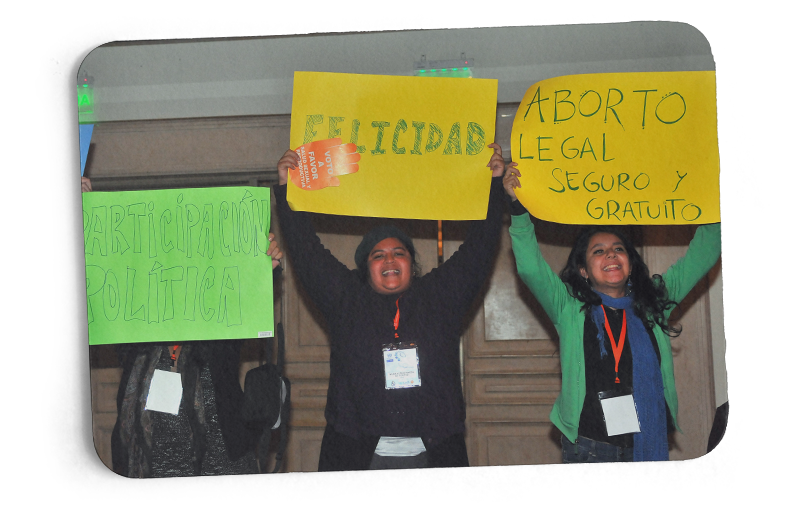
That same year, at the Regional Conference on Population and Development in Montevideo, DAWN and partner organizations convene 35 young feminist activists from across Latin America and the Caribbean to influence the outcome document. Representing movements around sexual and reproductive rights, youth participation, Indigenous rights, and comprehensive sexuality education, the group ensures that equality, human rights, and the lived realities of marginalized communities are placed at the centre of the post-Cairo development agenda.

2014
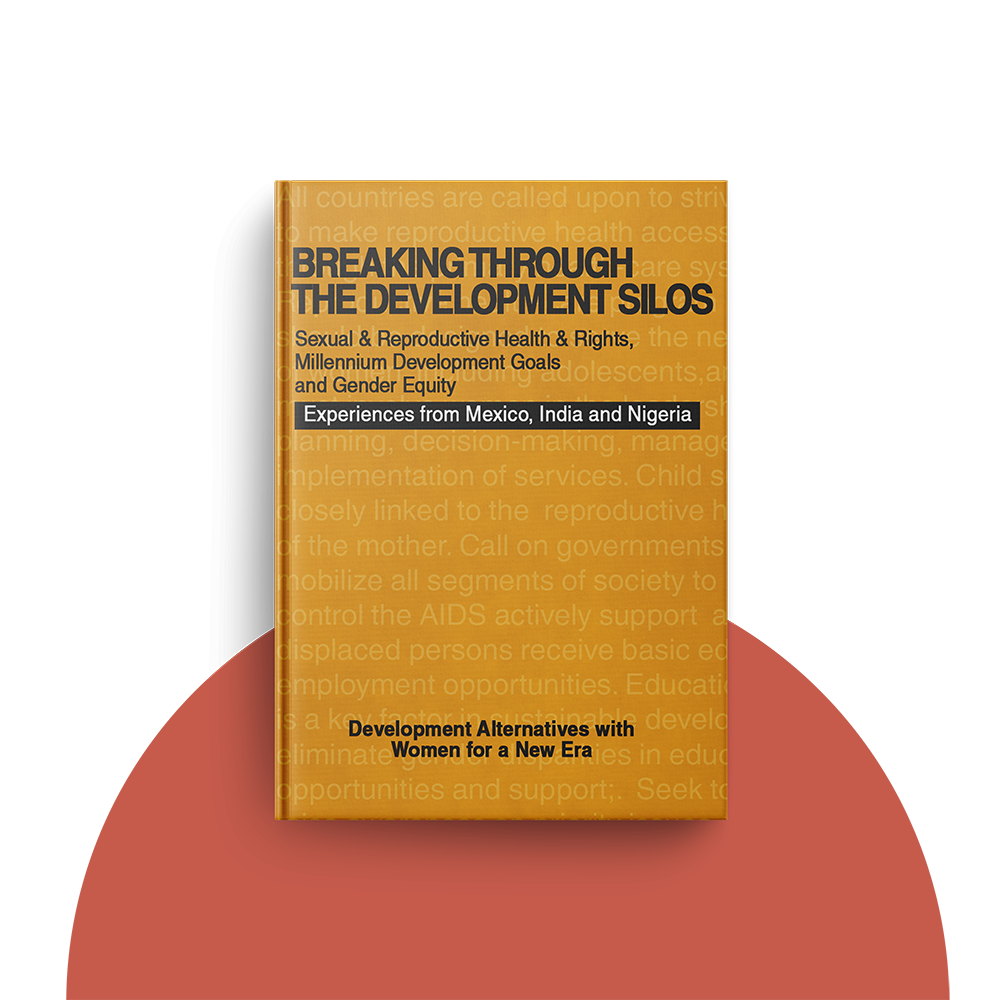
DAWN launches Breaking Through the Development Silos: Sexual and Reproductive Health and Rights, Millennium Development Goals and Gender Equity, a collection of case studies designed to provide robust evidence for global advocacy on SRHR and gender equality in the context of the Cairo+20 and MDG+15 review processes. The research highlights the phenomenon of “siloization,” exposing how critical social and human-rights issues are often fragmented and excluded from broader poverty and development agendas.
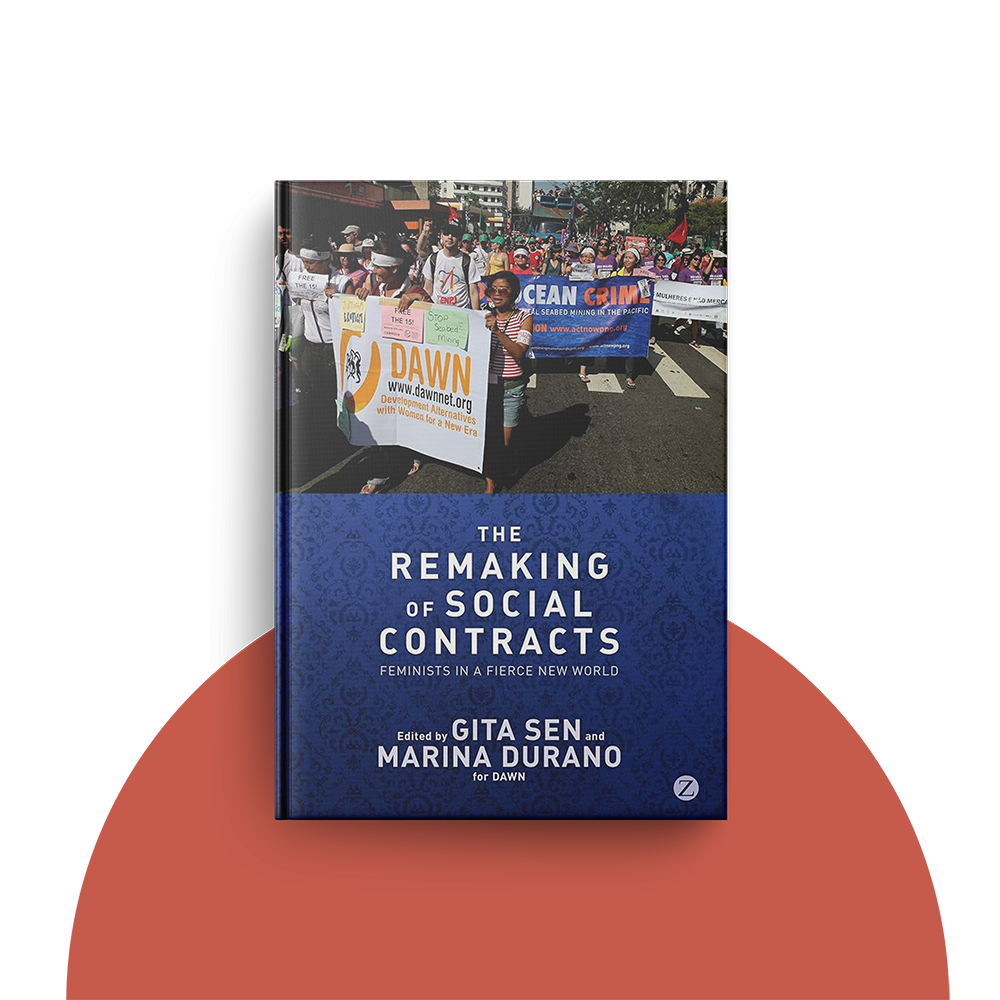
That same year, DAWN publishes The Remaking of Social Contracts: Feminists in a Fierce New World (ZED Books, London), a major reflection on feminist strategies in a rapidly changing global landscape. Building on decades of analysis, including Development, Crises and Alternative Visions: Third World Women’s Perspectives, the book draws on debates with social movement partners and allies to chart transformative approaches to social, economic, and political justice. In 2015, the Spanish edition is released and launched in Uruguay, extending DAWN’s influence and dialogue across Latin America.
Key DAWN members – Gita Sen, Sonia Correa, Carmen Barroso – contribute to a special issue of Global Public Health in 2014 (ICPD both before and beyond 2014: the challenges of population and development in the 21st century).
2015
The Sustainable Development Goals (SDGs) marks a formal commitment to gender equality, with SDG 5 calling for an end to violence against women, equal economic participation, and access to reproductive rights. Although the SDGs explicitly reference gender equality and intersectional development targets, they are embedded within neoliberal development frameworks that largely sidestep the structural roots of inequality—colonial legacies, extractivist economies, and debt dependency.
In regions such as Sub-Saharan Africa and South Asia, women’s movements emphasise that economic empowerment cannot be achieved without dismantling global systems that confine women to informal, underpaid, and precarious work. Grassroots organisations also expose the contradictions between SDG rhetoric and ongoing austerity measures imposed by international financial institutions, which continued to erode public services and social protections. Across Latin America, Africa, and Southeast Asia, feminists demand accountability not only from national governments but also from the global institutions shaping development priorities—insisting that gender justice must be decolonial, redistributive, and led by those most affected.

2015
In Argentina and across Latin America, Ni Una Menos had mobilized mass protests against femicide and state impunity. The femicide of 14-year-old Chiara Páez in 2015 motivates a self-organized call to agitate against all kinds of violence against women under the slogan #NotOneLess.What starts as a social media campaign transforms, over time, into the Ni Una Menos movement. Online activism combines with the offline mobilization of thousands of women who take to the streets to express their outrage against gender-based violence.
While the global #MeToo movement gains prominence in 2017, feminist resistance to gender-based violence has long been active across the Global South. Movements such as Egypt’s We Are All Laila (2006), India’s anti-rape protests (2012), Argentina’s Ni Una Menos (2015), and South Africa’s #RUReferenceList (2016) had exposed the pervasiveness of sexual harassment and state indifference.
In 2017, #MeToo provides a discursive opening for survivors worldwide, but its framing often overlooks decades-long struggles led by feminists in Africa, Asia, and Latin America, who had been organizing in workplaces, campuses, and streets. In Nigeria, #ArewaMeToo challenges both patriarchal violence and religious conservatism.
These movements are deeply intersectional, connecting gender-based violence to structural racism, class inequalities, and postcolonial oppression. While #MeToo spurs global policy debates, Global South feminists critique its initial focus on elite, urban, and often Western voices, emphasizing the need for contextual responses addressing militarism, migration, economic precarity, and legal systems that frequently fail survivors. From Jakarta to Johannesburg, their resistance underscores feminist struggles against sexual violence did not just begin in 2017—nor were they confined to hashtags.

2018-2020
Latin America witnesses a surge of feminist mobilisation for reproductive rights. Led by Argentina’s marea verde (“green wave”), activists reframe abortion as a matter of justice, health, and human rights. The movement’s mass protests, legal advocacy, and public education campaigns spark transnational solidarity across the region. At the beginning of 2018, a combination of inseparable processes of viralization in social networks and mediatization of televised discussions for the legalization of abortion also take place in Argentina. This heralds a year of feverish activism in the digital space and on the streets, demanding the right to legal, safe, and free abortion, under the hashtag #LegalAbortionNow (#AbortoLegalYa, in Spanish). Extending far beyond its birthplace of Argentina, the movement reinvigorates and revitalizes the struggle that the National Campaign for the Right to Legal, Safe and Free Abortion has been carrying out since 2005.
Although Argentina’s Voluntary Interruption of Pregnancy Bill is initially rejected in 2018, the campaign catalyzes feminist action throughout the continent—from Mexico to Chile and Colombia. The green scarf becomes a ubiquitous symbol of defiance and collective demand. In 2020, Argentina legalises abortion, marking a historic victory. These years also see a surge of intersectional feminist activism. In Chile, the collective Las Tesis ignites a global performance protest with the chant “Un violador en tu camino” (“A Rapist in Your Path”), denouncing state complicity in gender-based violence. Performed widely during feminist marches—including by abortion rights activists—the chant becomes a visceral embodiment of Latin America’s broader struggle against patriarchal and institutional oppression. Together, the marea verde and feminist cultural interventions challenge entrenched conservatism, reshaping regional politics and inspiring new waves of mobilisation across the global South.

2019
The Nairobi Summit, held to mark the 25th anniversary of the 1994 Cairo International Conference on Population and Development (ICPD), brings together governments, women’s groups, youth networks, UN agencies, and private sector actors to review progress and set future commitments. Donors pledge USD 9 billion to achieve “zero maternal deaths, zero unmet need for family planning, and zero gender-based violence and harmful practices” by 2030. The summit concludes with renewed commitments to advance and uphold the human rights and sexual and reproductive health and rights of women, adolescents, and youth. Participants also pledge to intensify system-wide efforts to eliminate preventable maternal and child mortality and morbidity, eradicate gender-based violence, and support national governments to fully and rapidly implement the ICPD agenda in alignment with national Sustainable Development Goals.

2020


In 2020, DAWN launches two major initiatives in direct response to the COVID-19 pandemic under the umbrella of Pandemic Portals. The first, Policy Transformations (PT), offers a critical feminist analysis of state responses across four key areas: Macroeconomics, Labour Policies and Workers’ Rights, Migration and Human Mobilities, and Care and Social Protection. Policy Transformations highlights how policy decisions during the pandemic have reinforced structural inequalities and shaped everyday realities, particularly for women and marginalised communities in the global South. The results of this intensive research are published as a book in July 2025.

The second initiative, the Feminists for a People’s Vaccine (FPV) Campaign, led jointly by DAWN and the Third World Network (TWN), foregrounds feminist principles of justice and solidarity in global health. FPV advocates for equitable, affordable, and accessible COVID-19 vaccines, medicines, therapeutics, and PPEs, bringing a gender lens to the People’s Vaccine Campaign. Over the past five years, the campaign has produced a rich body of work—including Issue Papers analysing TRIPS, corporate control of health technologies, and pandemic-exacerbated inequalities—alongside podcasts, cartoons, and multilingual resources to make complex issues accessible. Through regional workshops, social mobilisation, and targeted advocacy, FPV strengthens Southern feminist networks, amplified Global South voices in global health debates, and offers actionable strategies for shaping more just, gender-responsive responses to current and future pandemics.
DAWN also launches DAWN Talks, a series of critical conversations with Southern feminists examining how the COVID crisis exposed and intensified structural inequalities. Discussions interrogated biopolitics, social protection for informal workers, intellectual property regimes, HIV, and necropolitics, while also offering feminist perspectives from China and other contexts. The series highlights the social, economic, and political fractures laid bare by the pandemic, as well as the extraordinary—and often uneven—responses of states and institutions.
2020
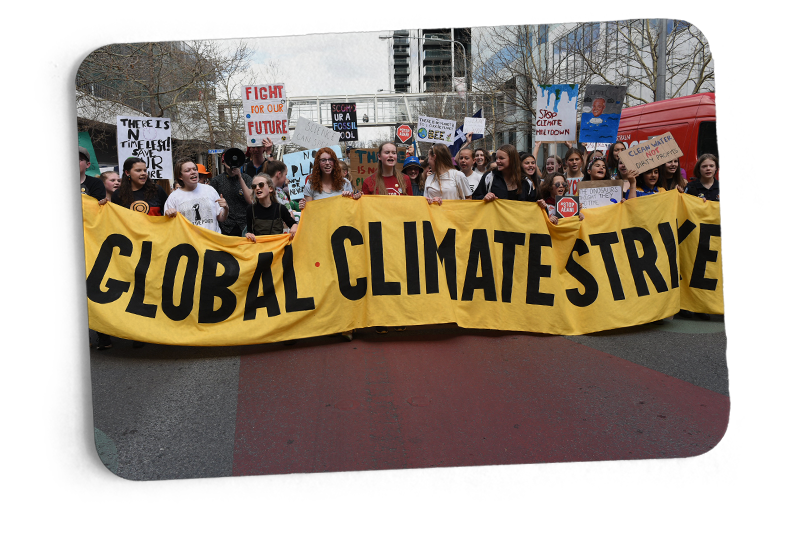
For decades before the 2020s, feminist climate justice campaigns have foregrounded structural inequalities—colonial land theft, capitalist extractivism, and state-backed environmental violence. Across Latin America, Africa, and Asia, feminist groups have demanded just transitions that centre care economies, land sovereignty, and women’s knowledge as environmental stewards.
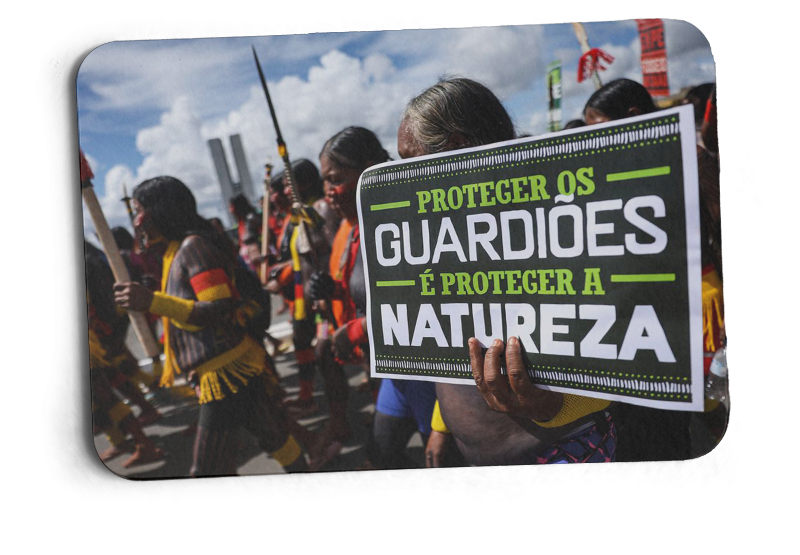
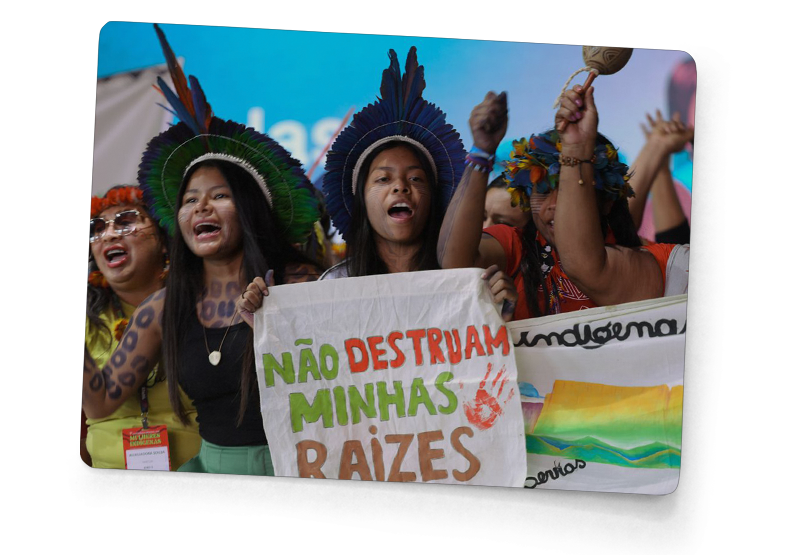
From La Via Campesina to Indigenous women defending the Amazon, and anti-extractivist movements across the Andes and Sahel, these struggles link climate resilience to gender, racial, and intergenerational justice. In contrast to technocratic and market-driven solutions promoted by global North institutions, Global South feminist movements critique the digital-industrial “green transition” when it reproduces extractive logics—such as lithium and deep-sea mining, or land grabs for solar farms. They call instead for climate reparations, democratic governance of resources, and the decolonisation of environmental policymaking
In the Pacific, where exploratory licenses of deep seabed mining are most concentrated, women-led coalitions have mobilised against mining plans that ignore Indigenous sovereignty, environmental justice, and gendered impacts on food security and health. Feminist critiques draw attention to how “green” development narratives can obscure the violence of extraction and environmental degradation, reinforcing patriarchal and racialised hierarchies.
By rooting climate justice in anti-patriarchal, anti-racist, and anti-capitalist frameworks, feminist actors redefine what a liveable and just future can look like—one in which survival is not reduced to resilience, but built on justice, autonomy, and care.

2020

As corporations across the globe captured more and more of the public sphere, encroaching on all aspects of people’s lives, Public-Private Partnerships have become a powerful tool to achieve what is starting to look like the privatisation of life itself. In “Old Dogs, New Tricks: Neocolonialism & Public-Private Partnerships in the Global South,” DAWN starts a research and brings to life, in the following years, a rich body of work, including case studies, seven animated films, two documentaries, one edition of DAWN Informs, a series of podcasts, and a book, all dedicated to uncovering how people, particularly women from the global South, are affected by neoliberal economic trends and the ongoing worldwide corporate capture of states and public services.
“The value added of this project to the existing research and analysis on PPPs was specifically to apply a feminist analytical framework”, explains Corina Rodríguez Enríquez. “But the study of PPPs should not focus solely on their specific impact on women’s lives. It should rather focus on the way they contribute or not to deepen financial capitalism that has commodified life, plunders land, destroys nature, and advances a predatory system that puts profit ahead of the sustainability of life and the boundaries of the planet.”

2020

In partnership with the Pacific Network on Globalisation (PANG), DAWN’s Blue Economy project starts examining ocean-based development from a Southern feminist and deeply Pacific perspective, tracking regional and global trends, including corporate-state initiatives such as deep-sea mining (DSM), in the context of the escalating climate crisis, raising urgent questions about who benefits from this agenda. The project emphasises that for many in the Pacific, climate change is an existential crisis, not a distant threat. Drawing from regional feminist analyses, panels with experts and contributions to CEDAW shadow reports, since 2020 the project calls for climate justice rooted in sovereignty, intergenerational responsibility, and the protection of the ocean as a life-sustaining commons, not a resource to be mined.

2020 – 2023
Feminist Digital Justice (FDJ) is a collaborative research and advocacy initiative launched in 2020 by DAWN and IT for Change that reimagines the emerging techno-social paradigm from a Southern feminist perspective. As part of the Just Net Coalition there is a wider project ‘Rebooting digital justice in a post-COVID world’, working towards a systematic development of digital governance perspectives in key sectors of development to develop cross-cutting principles for digital and data governance from the standpoint of equity and justice. In order to build a robust advocacy agenda, the project is executed through nine thematically focused nodes to convene and anchor groups—one of which includes DAWN and IT for Change. Responding to the urgent need for transformative Southern visions in the digital era, FDJ calls on feminists to engage critically with the political economy of data. In March 2023, the project goes on to launch the Declaration on Feminist Digital Justice at CSW63, co-created by 36 feminist scholars and activists.
Alongside this initiative, DAWN publishes two DAWN Informs editions featuring key articles and coalition work, advancing a gender-just digital agenda that confronts exclusion and exploitation across digital platforms, welfare systems, and the data economy. The issue papers and articles on the Bot Populi, an alternative media platform dedicated to looking at all things digital from a social justice, and Global South perspective, are contributions to these collective dialogues.


2022 -2024
As China advances its most ambitious international strategies—including the Belt and Road Initiative (BRI), BRICS cooperation, and expanding regional partnerships—its influence across the global South has profound social, economic, and political implications. While much analysis has focused on infrastructure, trade, and geopolitics, DAWN foregrounds the often-overlooked gendered dimensions of this engagement.
The ‘Gender impact of China’s engagement in the Global South’ research project investigates how China’s projects intersect with labour rights, environmental sustainability, care economies, and the everyday lives of women and marginalized communities.
DAWN presents initial findings in a DAWN Informs publication launched at CSW 2023, followed by two webinars that expand the dialogue with feminist scholars and activists. The project grows into a book—first released in Spanish and Chinese in 2025, with the English edition forthcoming—that critically situates China’s role within broader debates on development justice, global governance, and feminist political economy.

2023-2025
Despite numerous global frameworks for human rights and the struggle for justice, armed conflicts continue to expose the disproportionate vulnerabilities faced by women (and other groups), who bear the brunt of displacement, loss of livelihoods, and the collapse of essential services. The genocide in Gaza illustrates these dynamics starkly: women struggle with the destruction of healthcare systems, shortages of food and water, and the intensified burden of care in conditions of violence and displacement. Across conflict zones globally, women also face heightened risks of gender-based violence, loss of privacy, and long-term psychological trauma. Feminist movements and human rights organisations continue to underscore how such conflicts are deeply gendered crises, demanding accountability and justice frameworks that centre women’s experiences and agency.

2024-2025
The International Conference on Population and Development (ICPD) in Cairo, 1994, and the Fourth World Conference on Women in Beijing, 1995, were historic landmarks. ICPD shifted the global framework from population control to sexual and reproductive health and rights (SRHR), while Beijing set a comprehensive agenda for women’s rights across 12 critical areas. Thirty years later, however, these gains are under severe threat. Authoritarianism, corporate capture, debt crises, and climate breakdown are driving new restrictions, reversing progress that feminists fought hard to secure.
As ICPD+30 (April 2024) and Beijing+30 (March 2025) unfold, feminists from the global South mobilise notonly to commemorate but to resist rollbacks, They highlight ongoing criminalisation of abortion, digital exclusion, migration precarity, and the securitisation of care, while reclaiming power to challenge structural inequalities and colonial governance. These anniversaries are thus, not just symbolic milestones, but urgent calls for systemic transformation rooted in justice, decoloniality, and collective wellbeing.

2024
Commencing in 2024, DAWN advances research on feminist macroeconomics to respond to shifting global dynamics marked by financialisation, austerity, debt regimes, technological change, and corporate power in post-pandemic recovery. This initiative examines how such processes reshape livelihoods, deepen inequalities, threaten planetary boundaries, and reinforce gendered divisions of labour, while questioning the role of states, International Financial Institutions, and transnational corporations.
To anchor this work, DAWN is building a resource hub for more than 10 case studies, creating a collective knowledge base for a global South feminist approach to macroeconomics. The project has hosts one international webinar and plans to convene another, engaging movements and allies in dialogue. True to DAWN’s tradition, this effort seeks not only to critique dominant policies but also to construct transformative frameworks rooted in justice, sustainability, and feminist analysis.

2025

The DAWN Rising Fellowship, is a new programme, launched in 2025, to support young women feminists from the global South. The inaugural fellowship focused on the Political Economy of Gender-Based Violence and Conflict, offers an opportunity for an emerging feminist researcher with a proven commitment to women’s rights and gender justice to develop an innovative research project, with a particular emphasis on amplifying feminist voices in conflict-affected contexts.
In its first year, DAWN receives over 400 applications from across the global South, a testament to the extraordinary depth of feminist talent, creativity, and engagement.
Through this fellowship, DAWN aims to advance critical feminist analyses and to create platforms for young women to share their work with diverse audiences locally and internationally, thereby cultivating the next generation of feminist leadership.
2025

What does it mean to be 40? That’s the question we’ve been asking ourselves. DAWN turned 40, marking four decades of feminist research, activism, and solidarity across the global South. To celebrate, DAWN launched its first Fellowship for young feminists from the global South. The anniversary is also marked by new books and fresh projects that carry our work forward. This interactive timeline is part of that celebration—an invitation to reflect on the rise of a modern Southern feminist movement, as seen through the key moments, interventions, and struggles that have shaped DAWN’s journey since 1984.
DAWN looks to the future, carrying forward a spirit of resistance rooted in the local and connected to the global. DAWN’s analysis begins in lived realities and moves outward to confront systemic injustice. Global South feminists were told development was enough, but DAWN has always insisted on and demanded more. DAWN sees the cracks in the system and calls for transformation, not reform. The global South feminist movement has won victories, but backlash rises again and again, and the struggle continues. In the next period, that’s where we’re going—toward deeper resistance, sharper analysis, and collective action grounded in feminist visions for another world.


